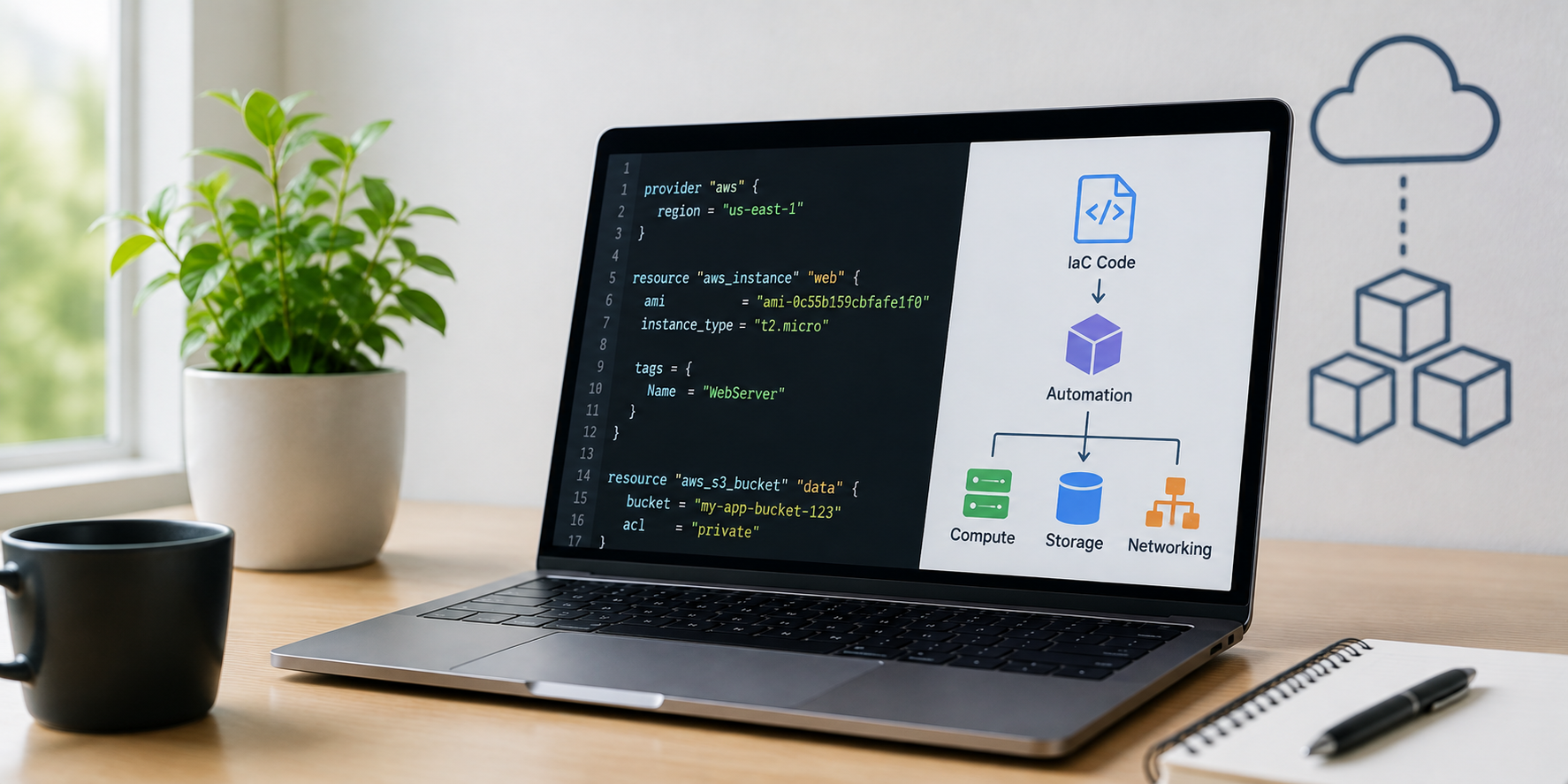
Why Process Automation Skills Matter for Future Careers
Organizations across industries are under pressure to work faster, reduce repetitive tasks, improve accuracy, and deliver better customer experiences. One of the most important ways they achieve this is through process automation. From HR and finance to healthcare and IT operations, automation is becoming a core part of digital transformation. For students preparing for future careers, understanding process automation can provide a major advantage.
Process automation is no longer limited to software developers or technical specialists. Business analysts, consultants, operations teams, HR professionals, and technology graduates increasingly work with automated workflows, digital tools, and process improvement systems. Students who understand how automation works will be better prepared for modern workplaces.
What Is Process Automation?
Process automation is the use of technology to perform repetitive, rule-based tasks with minimal manual effort. Instead of completing every step manually, organizations use software, workflows, scripts, or platforms to automate tasks such as approvals, notifications, data entry, reporting, and record updates.
Examples of process automation include:
- Automatically sending interview confirmation emails
- Routing support tickets to the correct team
- Generating reports from business data
- Approving leave requests through workflow systems
- Syncing information between business applications
Why Automation Matters in Digital Transformation
Digital transformation is about using technology to improve how organizations operate and deliver value. Process automation plays a major role because it increases efficiency and helps businesses scale operations more effectively.
- Reduces repetitive manual work
- Improves accuracy and consistency
- Saves time for higher-value work
- Enhances customer and employee experiences
- Supports data-driven workflows and faster decision-making
Where Students Will See Automation in Real Jobs
Automation is used in many career areas, which is why students from different backgrounds can benefit from learning it.
In HR Tech
Automation can help with applicant screening workflows, onboarding tasks, interview scheduling, and employee record updates.
In IT and Cloud Operations
Automation supports infrastructure deployment, monitoring, ticket handling, and routine maintenance tasks.
In Consulting and Business Operations
Consultants often help organizations redesign workflows, improve efficiency, and implement automation tools.
In Healthcare IT
Automation can assist with appointment reminders, billing workflows, patient record updates, and reporting.
Skills Students Should Build
Students do not need to become automation experts immediately, but learning the basics can make them more adaptable and job-ready.
- Understanding workflows and business processes
- Basic spreadsheet and reporting skills
- Knowledge of low-code or no-code tools
- Familiarity with APIs and integrations
- Problem-solving and process improvement thinking
- Basic scripting knowledge is a plus
Popular Automation Tools and Concepts
- Microsoft Power Automate
- Zapier
- UiPath
- Low-code workflow tools
- Business process mapping
How Students Can Practice Automation
Students can start with simple personal or academic workflows. For example, they can automate reminders, organize form submissions, connect apps, or build small workflow-based systems in project work. Even documenting how a manual process could be automated is useful practice for consulting and digital transformation roles.
Career Benefits of Learning Process Automation
- Supports digital transformation and consulting careers
- Improves operational thinking
- Makes students more valuable in business and IT roles
- Builds a practical understanding of how organizations improve efficiency
- Creates opportunities to work with modern workflow tools
Conclusion
Process automation is becoming a key skill across technology, consulting, HR, operations, and healthcare environments. Students who understand how digital workflows and automation tools improve business processes will be better prepared for modern roles and future workplace expectations. Learning automation basics today can create strong career advantages tomorrow.