The Rise of Zero Trust Security in Modern Enterprises
As cyber threats grow more advanced and businesses rely on cloud services and remote work, traditional perimeter-based security is no longer enough. Many organizations are adopting Zero Trust Security to better protect their systems and data.
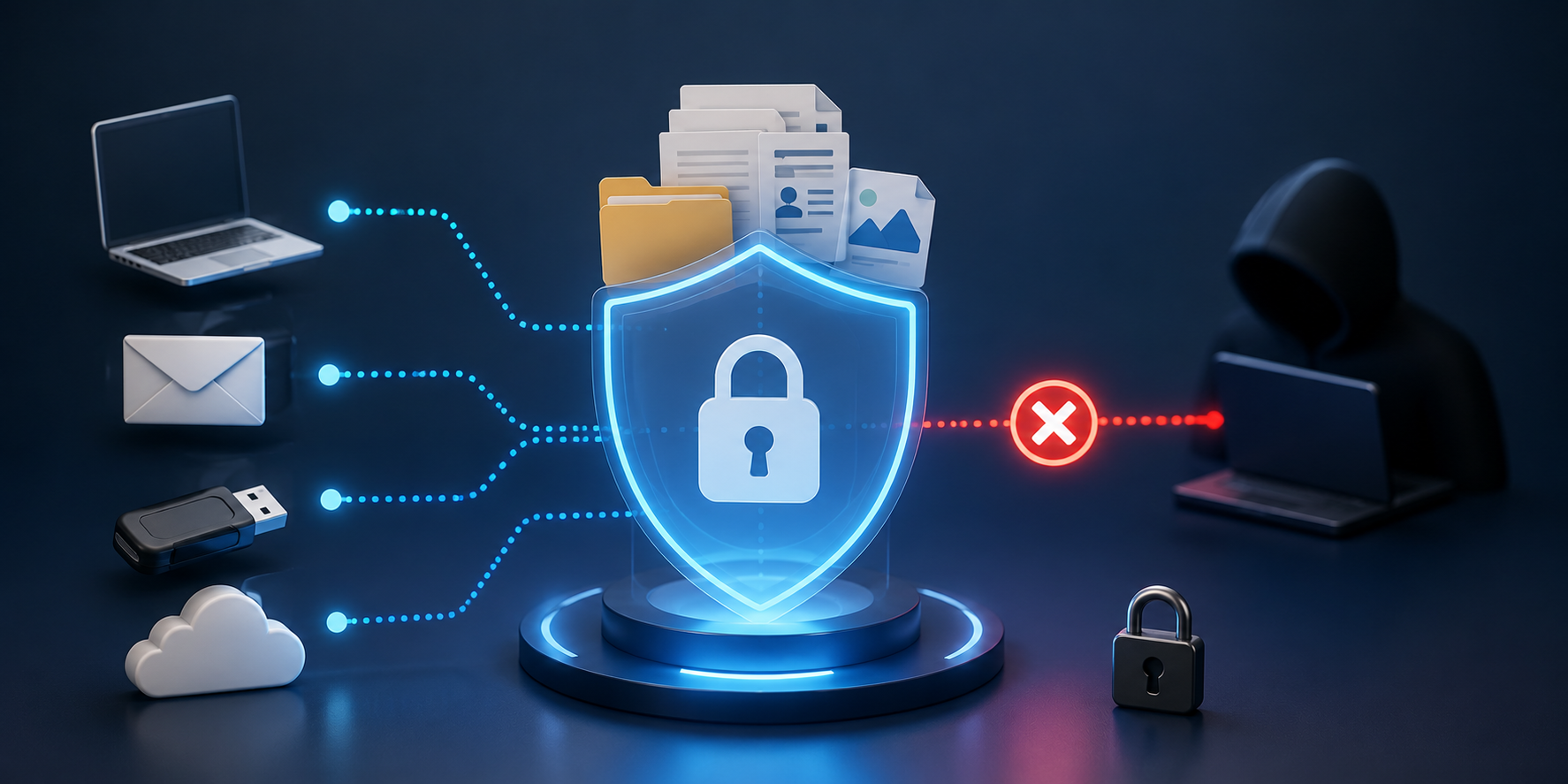
Zero Trust follows a simple principle: Never Trust, Always Verify. Every user, device, and application must be verified before access is granted.
What Is Zero Trust Security?
Zero Trust is a cybersecurity framework that requires continuous authentication and authorization for all access requests, regardless of location.
Core principles include:
- Verify user identities
- Authenticate devices
- Use least-privilege access
- Monitor activity continuously
- Protect sensitive data
Why Organizations Need Zero Trust
Modern workplaces extend beyond office networks. Employees access systems from various locations and devices, while cloud platforms host critical applications and data.
This creates new security risks such as:
- Ransomware
- Phishing attacks
- Credential theft
- Insider threats
- Cloud vulnerabilities
Zero Trust helps reduce these risks by verifying every access request.
Key Components
1. Identity and Access Management (IAM)
IAM ensures only authorized users can access business resources.
2. Multi-Factor Authentication (MFA)
MFA adds extra verification layers, reducing the risk of compromised passwords.
3. Least Privilege Access
Users receive only the permissions necessary to perform their jobs.
4. Continuous Monitoring
Organizations monitor user and device activity to detect suspicious behavior quickly.
Benefits of Zero Trust Security
- Reduced risk of data breaches
- Stronger regulatory compliance
- Improved remote work security
- Better visibility across IT environments
Zero Trust and Cloud Security
Zero Trust supports cloud security by protecting access to applications, services, and data through identity-based controls.
It helps secure:
- Cloud applications
- SaaS platforms
- Remote users
- Hybrid environments
Best Practices
- Assess current security risks
- Implement MFA
- Apply least-privilege access
- Monitor systems continuously
- Train employees on cybersecurity awareness
Conclusion
Zero Trust Security has become a key strategy for modern enterprises. By continuously verifying users and devices, organizations can strengthen security, support remote work, and better protect critical business assets.